





Blow-In Insulation Services
Highland AC offers blow-in insulation services as a quick and easy option for keeping your home safe and sound all year long.
With so many advantages to having good insulation in your home — increased comfort and lower energy bills, for starters — it’s important to make sure your home is protected.
What Is Blow-In Insulation?
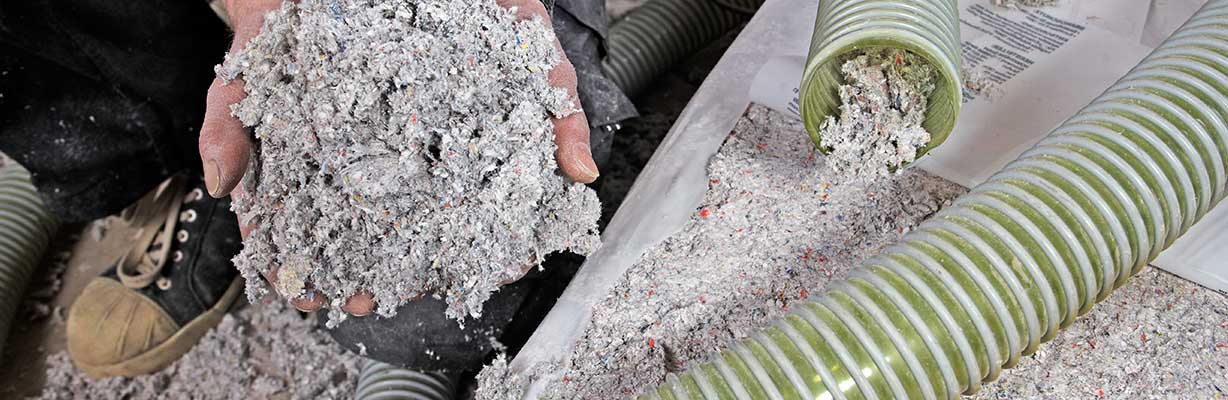
Blow-in insulation is a type of loose-fill insulation.
It is installed by blowing it into the cavities of walls, ceilings, and floors. It is made of small, loose fibers that are blown in using a machine.
Insulate the Best
Blow-in insulation is a versatile and effective way to insulate your home. It is easy to install and can be blown into even the smallest spaces. Blow-in insulation can help to reduce your energy bills and make your home more comfortable.
Cellulose
Cellulose blow-in insulation is made from recycled paper. Since it’s less flammable than fiberglass, it’s a popular choice for homes in areas with high fire risk, as well as homes with high moisture levels, as it is moisture-resistant.
Fiberglass
Fiberglass blow-in insulation is made from tiny glass fibers. As a highly effective insulator, it’s a smart choice for homes in areas with cold winters. Fiberglass blow-in insulation is also a good option for homes that have a tight budget since it’s less expensive than cellulose.
Where Can Blow-In Insulation Be Installed?
Highland AC can install blow-in insulation in a variety of places in the home, including:
Attics
Crawlspaces
Unfinished basements
Benefits of Blow-In Insulation
When Highland AC installs blow-in insulation in your home, you’ll enjoy some very tangible benefits:
Energy Savings
Reduce your energy bills by up to 30%.
Comfort
Make your home more comfortable by reducing drafts and noise.
Air Quality
Improve your home’s air quality by reducing pollutants.
Inexpensive
It’s a relatively inexpensive way to insulate your home.
Blow-In Insulation
What to Expect During Your Service
Here’s what you can expect to happen when you hire Highland AC to install blow-in insulation in your home:
-
The installer removes any obstacles
that may prevent the insulation from being blown into the cavities. This may include furniture, appliances, and light fixtures.
-
The installer drills small holes
in the walls, ceilings, or floors to allow the insulation to be blown in.
-
The installer connects the blower
to the holes and begins blowing in the insulation.
-
The installer continues inserting
insulation until the cavities are filled to the desired level.
-
The installer seals
the holes with plugs or caulk.
-
The installer cleans up
the area and removes any debris.
Blow-In Insulation Inquiry
"*" indicates required fields